Google will display Android developers' contact details next to their apps for users everywhere starting March 1, 2027, if those developers count as "traders," according to Google's trader status help page. Before that, every active Play developer account has to declare whether it is a trader or not, with a February 1, 2027 deadline for existing accounts.
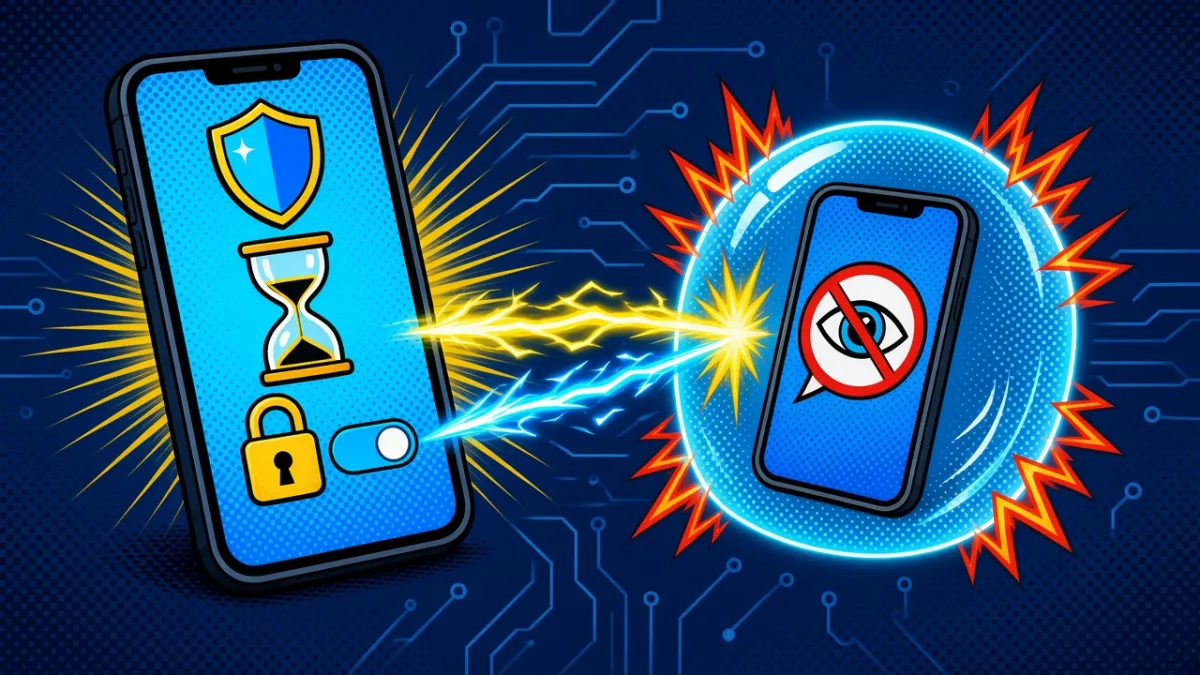
Why it matters: the rule comes from EU and UK consumer law, but Google is applying the public display globally. For a company that's a non-issue. For a solo developer whose Play account is tied to a home address, it means that address and a phone number become visible to anyone browsing the store, a change Engadget reports has prompted privacy complaints and some developers to rent offices.
What changes, and when
| Date | What happens (per Google's help page) |
|---|---|
| Now | New accounts declare status when they're created |
| Feb 1, 2027 | Deadline for existing accounts to declare trader or non-trader |
| Mar 1, 2027 | Users everywhere see traders' contact details and D-U-N-S number in the app's "App support" section, plus a terms-of-service link if provided |
| Mar 1, 2027 | In the EEA and UK, the trader's name replaces "Google" in "Offered by," and their self-certification is shown |
Google's page says personal accounts that declare as traders must provide a phone number and that their address "will also be publicly displayed." Engadget and iTechPost both report that Google won't accept a PO box; Apple, which limits this kind of display to the relevant European markets, does allow one, they say. Google's own page doesn't address PO boxes either way.
Am I a trader?
Google uses the EU definition: anyone acting for purposes related to their trade, business, craft or profession. Hobby or other non-commercial developers are non-traders. The help page lists the factors Google weighs, including a profit motive, transaction volume, how the business is set up and legal status such as a D-U-N-S number. Engadget summarises Google's framing as developers who intend to earn money from apps on a regular basis. iTechPost notes paid apps, in-app purchases and ads all count toward commercial activity.
Two points from Google's page are easy to miss:
- The declaration is global. All active accounts must declare, wherever their apps are targeted or distributed. Developers outside the EEA and UK who don't distribute there may declare as non-traders.
- Getting it wrong has teeth. Not declaring may trigger blocked app updates and removal from Play globally; misrepresenting your status can lead to account suspension or termination. If your activity looks commercial but you declared non-trader, Google may ask you to update, and apps can be removed if you don't respond in time. In the EEA and UK, Google tells users that consumer-protection rights don't apply to contracts with non-traders.
Google's response
After the backlash, a Google spokesperson told Engadget the company takes privacy seriously and is "exploring ways to minimize the developer information displayed publicly" while keeping developers reachable for support. Google has not said what, if anything, will change before March 1. The Engadget story drew 166 points and 116 comments on Hacker News by November 28, per hn.today.
What developers should do
- Declare before February 1 in Play Console under Manage account › Account details › About you. Traders then confirm per app under Monitor and improve › Policy and programs › App content, self-certify and add a terms-of-service link (per Google's page).
- Check which address and phone your account will show. If it's your home, decide now whether to use a registered business address. iTechPost notes options such as a registered agent depend on local rules and Google's verification; that's not a confirmed Google route, so verify before relying on it.
- Don't declare non-trader to dodge the display if you earn money from your apps; Google's page says false claims can mean global removal.
- Watch for changes. Given Google's "exploring" statement, check the help page again before March 1.
Sources
- Google Play Console Help — Trader status declaration support.google.com
- Engadget — Google will soon share Android developers' addresses publicly engadget.com
- iTechPost — Google Play to Make Android Developer Addresses Public Under New Privacy Policy itechpost.com
- hn.today — Google will soon share Android developers' addresses publicly hn.today