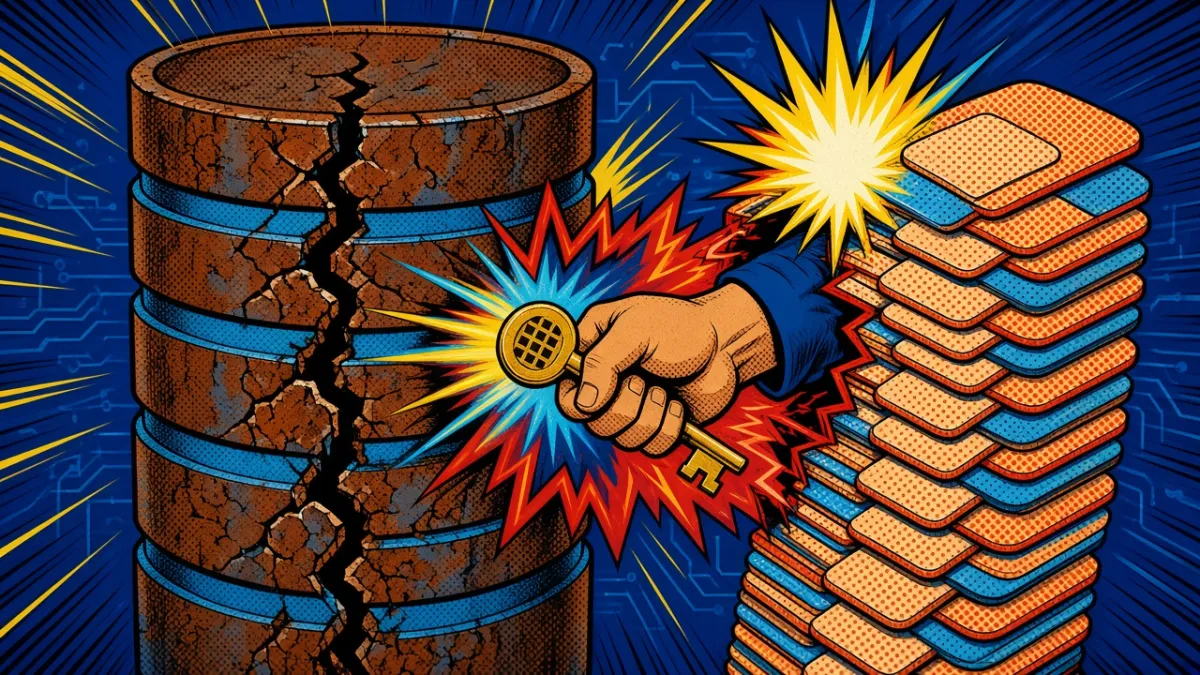
Google Project Zero has replaced the disclosure rule it has used since 2021. Under the new policy, which the team calls "Full X," it publishes the details of a vulnerability X days after it reports the bug to the vendor, and a patch no longer changes that date. According to Project Zero's published policy, X is 90 now and falls to 60 on February 2, 2027 and 30 on January 3, 2028. The change was announced on November 13, according to the OffSeq listing and a DEV Community write-up.
This matters well beyond Google. Project Zero reports bugs to many outside vendors, and its deadlines decide when everyone else learns how those flaws work. A shorter clock with no extra days means vendors have to ship fixes faster. It also means the patches have to reach users faster, because the details will be public either way.
What changed
| Old "90+30" (2021–2026) | New "Full X" | |
|---|---|---|
| Time for the vendor to fix | 90 days | X days (90 → 60 → 30) |
| Extra time after a patch ships | Up to 30 days before details go public | None |
| Effect of shipping a fix | Moved the disclosure date | Status update only, date unchanged |
| Maximum wait before details | 120 days | 90 days now, 30 days from 2028 |
Under the old rule, a vendor that fixed a bug within 90 days got up to 30 more days before Project Zero published details. The idea was to give users time to install the update. The DEV write-up, summarizing Project Zero's announcement, says that 30-day buffer is gone, along with the grace period and the old variant-bug handling.
The policy page still lists a few cases where details come out earlier or later:
- Exploited bugs: for flaws with evidence of active attacks, the deadline is 7 days, under Google's separate policy for in-the-wild bugs.
- Earlier: if someone else has already made the bug public, or if the vendor asks for early release.
- Later: only to prevent wide-scale harm to users. Project Zero says these exceptions are rare and publicly recorded. It says it has granted five in 12 years.
- Soon after each report, Project Zero shares the vendor, the product and the report date, but not the technical details.
Why Google says it's doing this
Per the summaries of Project Zero's post, the stated reason is that AI has sped up both finding and exploiting bugs. OffSeq describes the policy as a response to an "accelerated threat landscape" from AI-assisted discovery. Project Zero's argument, as both write-ups describe it, has three parts:
- Patches leak the bug. Attackers can reverse-engineer a fix almost immediately, so holding back details after a patch mostly keeps defenders in the dark.
- Collisions are more likely. With AI tools, more people find the same bug, including malicious ones.
- The team finds far more. The DEV write-up quotes Project Zero as now finding several vulnerabilities a week, where it once found a few a year.
Project Zero also says severity no longer affects timing, because how bad a bug is doesn't change how likely someone else is to find it. And because a fix no longer moves the date, the whole process can be automated.
The objections
According to the DEV summary, vendors raised two concerns during consultation. They worried that hard deadlines would push teams to fix newly reported bugs ahead of more severe ones already in the queue. They also worried that some vendors would give up on meeting deadlines at all. Project Zero calls the phased schedule challenging but realistic. For hardware and other products that can't be patched quickly, it suggests mitigations that don't depend on a patch, per OffSeq.
What it means for you
- Security and IT teams: Assume the gap between a vendor patch and a public write-up is shrinking toward zero. The Cloud Security Alliance briefing rates the change high priority for this reason. If your patch cycle for browsers, phones and operating systems runs monthly, plan for that to be too slow by 2027.
- Software vendors: The deadline that matters now is how fast users install your fix, not when you ship it. Auto-update coverage and staged rollouts become security metrics.
- Everyone else: Turn on automatic updates for your phone, browser and OS. From 2028, the details of a reported bug can be public within a month.
What to watch: whether other research groups and bug-bounty platforms follow Google to shorter, fixed windows before the 60-day step on February 2, 2027, and whether any big vendor publicly refuses to work within them.
Sources
- Google Project Zero — Vulnerability Disclosure Policy projectzero.google
- DEV Community (frank chu) — 90 + 30 days: Project Zero ends the soak era dev.to
- OffSeq Threat Radar — Policy and Disclosure: 2026 Edition radar.offseq.com
- Cloud Security Alliance — CISO Daily Briefing, November 15, 2026 labs.cloudsecurityalliance.org


